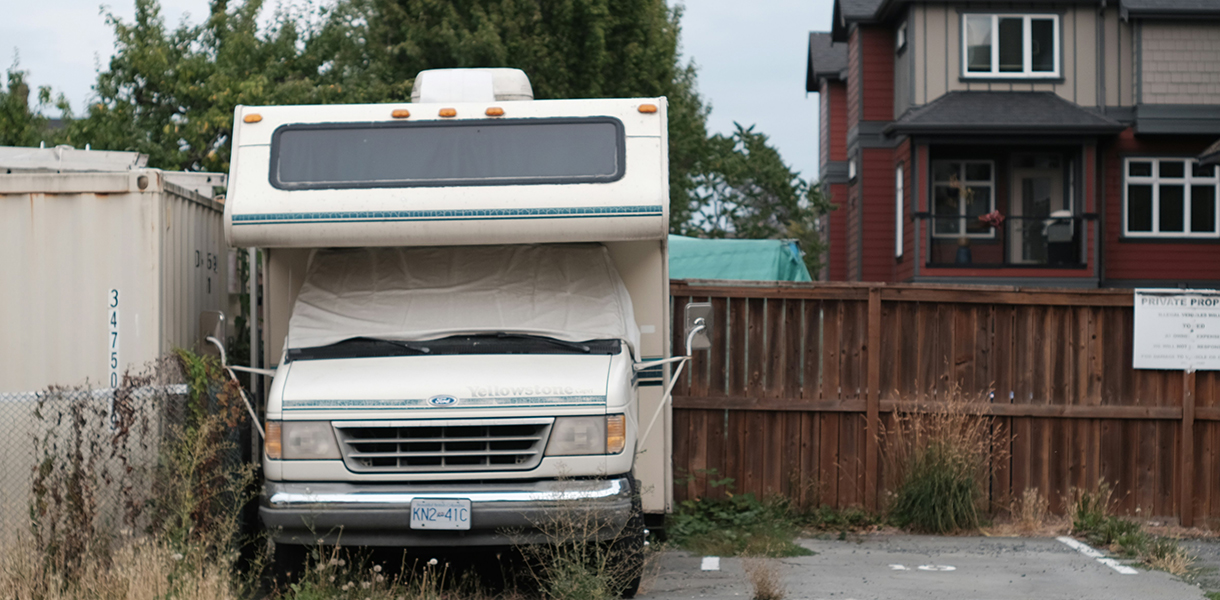
Your RV rolls over bumps, shakes through wind, and bakes under the sun. Every mile loosens fasteners, dries, seals, and strains wires. That motion makes regular inspections vital. Yet owners still wonder how often they should peek beneath the skin. The answer, experts say, lies in simple intervals tied to time, mileage, and trip plans. By following a clear schedule, you can spot leaks before they stain ceilings and replace cracked belts before they strand you. The blog below uses plain language, offers proven numbers, and shows easy steps you can finish at home—long before the highway tests your rig.
Why Regular RV Inspections Protect Your Travel Plans
Neglected parts fail without warning, but inspected parts whisper their needs. Tires tell their story through tread depth; batteries reveal weakness in voltage drops; roof seals signal trouble in tiny cracks. Catching those whispers early keeps vacation budgets safe. Industry data links most roadside breakdowns to issues visible weeks earlier: low coolant, under-inflated tires, or loose lug nuts. Therefore, building a habit of structured checks saves money, time, and stress. Even better, routine looks under the hood extend component life by 20–30 %, according to fleet studies. A half-hour inspection at home often prevents a day of waiting for a tow truck miles from help.
Key Inspection Intervals Endorsed by Industry Technicians
Experts break RV checks into four clear rhythms:
- Before Every Trip: A five-minute walk-around catches lights out, foreign objects in tires, and hanging wires.
- Monthly or 1,000 Miles: Fluids, tire pressure, propane sniff test, and battery water level.
- Quarterly or 3,000 Miles: Brake adjustment, sealant touch-ups, and generator oil change.
- Annually or 12,000 Miles: Full roof reseal, wheel bearing repack, alignment check, and detailed electrical system test.
Using both time and mileage protects rigs that sit for months as well as those that roll daily. If your travel pattern is heavy, lean on mileage; if storage dominates, lean on calendar dates. Either way, the layered schedule covers every essential system without overwhelming weekend mechanics.
Monthly Checks Every Owner Can Handle Quickly
A monthly session needs only simple tools: a digital tire gauge, a flashlight, and a spray bottle of soapy water. Start with tires at a cold 105 psi for larger Class A rigs or the label value for smaller coaches. Next, open the battery caps; water should sit just above the plates and top up using distilled water only. Move on to the propane system by spraying joints; bubbles reveal leaks. Inside, cycle each GFCI outlet; the test and reset buttons must react immediately. Finally, scan the roof for new caulk gaps wider than a credit-card edge. Patch with RV-grade sealant the same day because small splits grow fast under UV rays and freeway vibration.
Quarterly Tasks To Catch Wear Before It Spreads
Every three months, reach deeper. Pull wheel covers and measure brake lining thickness; replace drums when shoe material drops below 1⁄8 inch. Check suspension bushings by prying gently—more than 1⁄4 inch play calls for new parts. Change generator oil after 150 hours or sooner if it appears gritty. While under the coach, torque the main lug nuts to the maker’s specified 95–120 ft-lb range; loose wheels rank high among failure causes. Inside, flush fresh-water tanks with a quarter-cup bleach per fifteen gallons, then rinse until the smell is gone. Doing so prevents biofilm that can clog pumps. At this stage, many owners snap photos of each compartment; images help spot new drips next quarter.
Annual Deep Inspections Call For Trained Eyes
Once a year—or sooner after rough terrain—invite a certified technician to tackle tasks that need shop equipment. They will remove and repack wheel bearings with high-temperature grease pressure-test propane lines at 11 in. WC, and scope the roof membrane for hidden moisture using an infrared camera. Electrical checks include measuring converter output (13.6 V DC steady) and verifying shore-power cord resistance below 0.3 ohms. A suspension alignment on laser racks can save a set of tires worth hundreds of dollars. Though the yearly visit costs a modest fee, it confirms that DIY checks caught most issues and uncovered the few that lurked deeper.
Pre-Trip Walk-Arounds Prevent Very Costly Roadside Surprises
Right before rolling out, perform a fast circle while the family loads snacks. Confirm that the seven-pin trailer or toad connector lights each function and have a helper call-out signals. Scan under the engine bay for fresh spots of oil or coolant. Feel each tire sidewall for bulges; any bump larger than a walnut means replacing the tire at once. Tug on compartment latches; a door that opens at speed can become a serious hazard. Finally, test trailer brakes with a slow pull-test at 5 mph in the driveway. If the wheels lock when you apply the manual lever, wiring, and pads are ready.
Smart Tools That Simplify Common DIY Inspection Steps
Modern gadgets shrink effort.
Consider adding:
- Bluetooth Tire-Pressure Monitors: Real-time alerts once the pressure drops 3 psi.
- Infrared Thermometer: Scan hubs; a reading 20 °F hotter than its neighbor signals bearing drag.
- Handheld Gas Detector: Sensitive to propane at 900 ppm, faster than dish soap.
- 12-Volt Clamp Meter: Confirms converter charge rate without removing wires.
- Flexible Borescope Camera: Slides into wall cavities to check for hidden water lines or rodent damage.
With these tools, your monthly routine finishes in under forty minutes yet covers the same checkpoints that fleets trust for long hauls.
Conclusion Regular inspections are not busywork; they are the simple habit that keeps vacations alive and budgets intact. By splitting tasks into pre-trip, monthly, quarterly, and annual steps, you cover every nut, seal, and wire without feeling swamped. Follow the advice above, and your coach will reward you with smooth miles and safe nights under the stars. If you ever spot a problem beyond your comfort zone, Paradise RV Mobile Service is ready to bring skilled technicians to your driveway, saving time and towing fees.